Secure Chicken Run Enclosure
Highlighted under: Simple Speed Meals
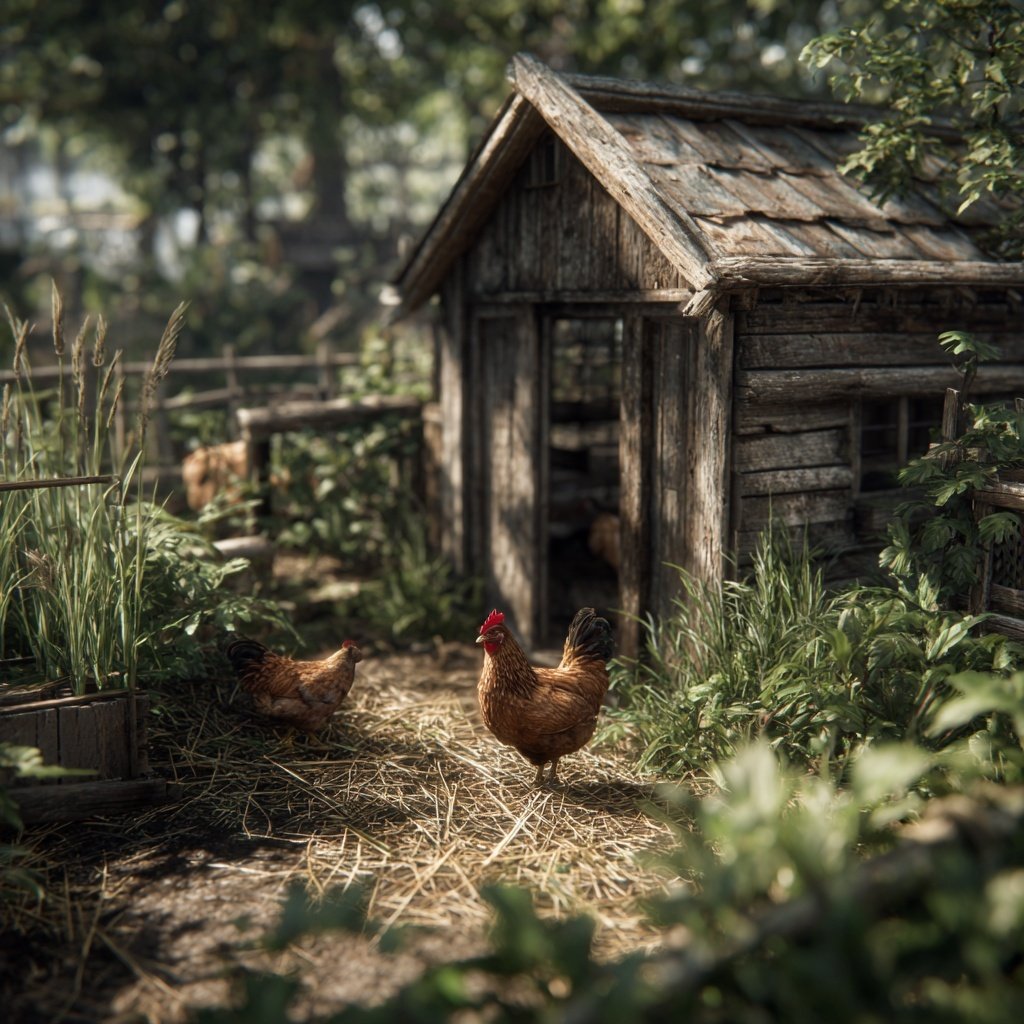
I love creating safe spaces for my chickens to roam, and building a secure chicken run enclosure has become one of my favorite DIY projects. Designing it not only keeps my chickens safe from predators but also allows them to enjoy the outdoors while staying protected. With proper materials and thoughtful planning, I managed to create a cozy yet secure area that my chickens adore. This project is perfect for anyone who wants to enhance their backyard chicken setup with a touch of creativity and practicality.
When I decided to build a secure chicken run, I realized that planning was essential. I researched different designs and materials, ultimately opting for sturdy fencing and a solid roof to keep my flock safe from aerial predators. My experience taught me the importance of considering potential threats in your area and anticipating how to create an environment that is both secure and comfortable for the chickens.
What really took my chicken run to the next level was adding small touches like shaded areas and perches inside the enclosure. I discovered that not only does this keep them safe, but it also enriches their life and encourages natural behaviors. Providing a mix of sheltered spots and open spaces keeps my chickens healthy and happy while still ensuring they are secure.
Why You Will Love This Project
- Creates a safe haven for your chickens to enjoy the outdoors.
- Offers peace of mind knowing your flock is secure from predators.
- Allows for creativity in design and personalization of your chicken run.
Choosing the Right Location
Selecting the ideal spot for your chicken run is crucial for its success. Look for an area that receives both sunlight and shade throughout the day, as this helps keep the chickens comfortable. Additionally, ensure the ground is well-drained to prevent water from pooling, which can lead to muddy conditions that are unhealthy for your flock.
Ideally, your chicken run should be situated away from strong winds and heavy foot traffic areas. I find that positioning it close to my house makes feeding and maintenance more manageable, but far enough from windows so the chickens don’t cause a ruckus at dawn!
Selecting Durable Materials
When building your chicken run, choosing materials that withstand outdoor elements is key. A robust fencing option like welded wire or hardware cloth is essential to protect against predators. I recommend at least a 6-foot height to prevent raccoons and foxes from reaching over the top.
For the roof, opting for heavy-duty materials, such as corrugated metal or UV-resistant tarp, ensures protection against rain and predators from above. Be sure to secure these materials with rust-resistant screws or fasteners to maintain longevity through various weather conditions.
Maintenance Tips for Longevity
Regular maintenance is vital to keep your chicken run safe and functional. I suggest inspecting the fencing and roof at least once a month for any signs of wear or damage. This helps identify any weak points before they become an issue, ensuring your flock remains secure.
Consider adding fresh bedding or mulch in the run periodically to minimize odor and promote a clean environment. You can also rotate the areas where your chickens scratch and forage to prevent overuse of a single spot, enhancing both the health of the ground and the enjoyment of your chickens.
Instructions
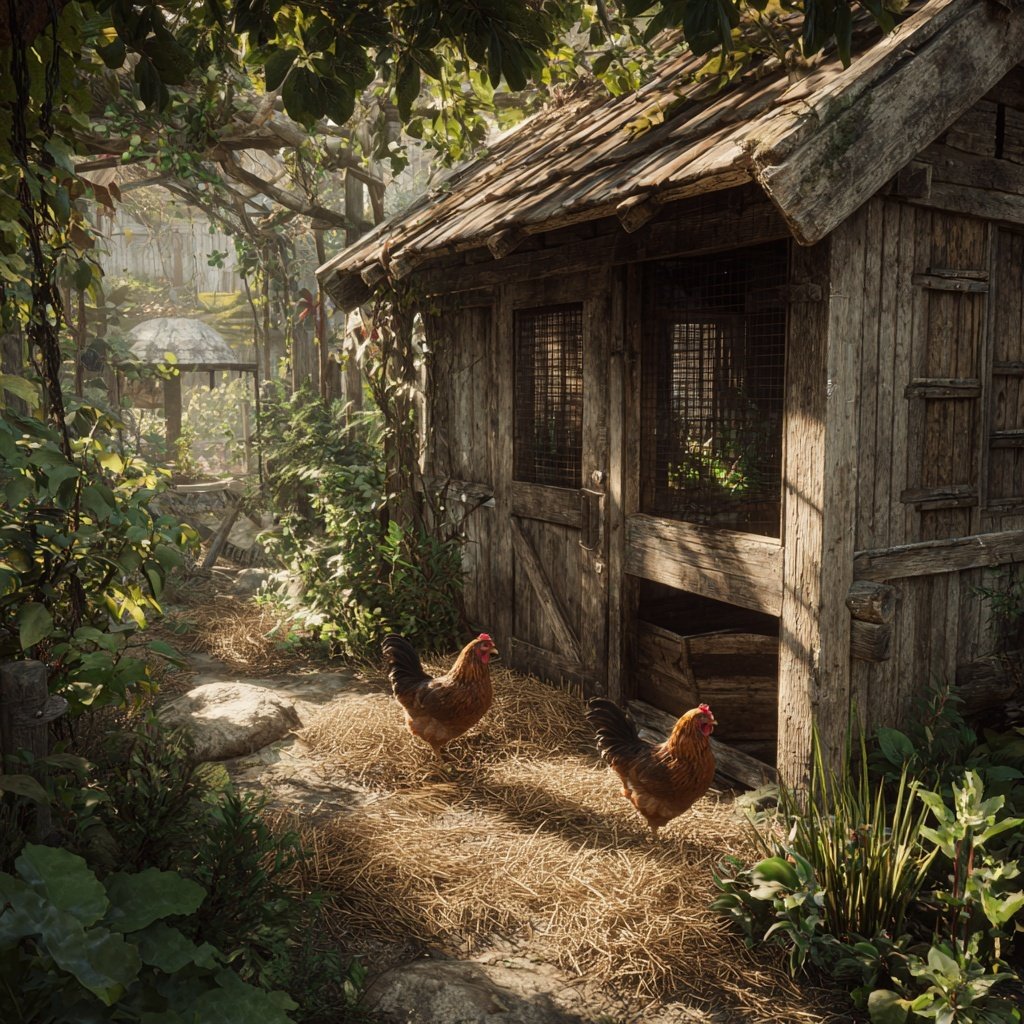
Follow these steps to create your secure chicken run enclosure.
Plan Your Design
Start by sketching out your desired layout. Consider the size based on the number of chickens you have and the space available in your yard.
Gather Materials
Collect fencing, posts, concrete (for securing posts), a sturdy roof material, and any additional elements like perches or feeders.
Construct the Frame
Build the basic rectangular or square frame using the posts and fencing material. Ensure the corners are sturdy and well-sealed.
Add Roof Support
Attach a solid roof that can withstand weather conditions, like metal or heavy-duty netting, to protect your chickens from above.
Create Access Points
Install a door or flap that allows for easy access to the run for feeding and cleaning while ensuring it can be securely closed.
Enrich the Interior
Add perches and shaded areas inside the run. Consider planting some chicken-friendly grass for natural foraging.
Final Checks
Inspect your enclosure for any potential escape routes or weak points. It's crucial to ensure that everything is secure before introducing your chickens.
Once your chicken run is complete, enjoy watching your chickens thrive in their new safe space!
Pro Tips
- Always make sure your run has adequate ventilation and periodically check for any wear or damage to maintain their safety.
Creative Enrichment Ideas
Adding enrichment elements to your chicken run not only makes it aesthetically pleasing but also supports your chickens' well-being. Consider installing a variety of perches at different heights, allowing them to engage in natural behaviors. Chickens love climbing and exploring up off the ground.
Planting chicken-friendly herbs like basil or mint can offer both shade and foraging opportunities. These plants smell great, and the chickens enjoy snacking on the leaves. Just ensure they are edible and safe for your flock to encourage healthy eating habits.
Safety Precautions
Before introducing your chickens to the new run, double-check all fencing for gaps or breaches. A good rule of thumb is to ensure no hole is larger than an inch; sticking to hardware cloth or welded wire helps maintain security. Inspect the latches on the access points to ensure they lock securely and can't be opened by a clever raccoon.
If you live in an area with larger predators, consider burying the fencing underground by 12 inches to deter digging. This extra step keeps your chickens safe and provides peace of mind, especially during the night when predators are most active.
Questions About Recipes
→ What materials are best for chicken run fencing?
Sturdy materials like welded wire or chain-link fencing are best. Avoid using chicken wire alone as it may not deter predators.
→ How much space do chickens need in a run?
A general rule is 10 square feet per chicken in the run for adequate space to roam.
→ Do I need to cover the top of the chicken run?
Yes, covering the top helps protect chickens from aerial predators and provides shelter from harsh weather.
→ How often should I clean the chicken run?
It's best to clean the run regularly, at least once a week, to maintain hygiene and prevent disease.
Secure Chicken Run Enclosure
Created by: Riley Dawson
Recipe Type: Simple Speed Meals
Skill Level: Intermediate
Final Quantity: 1 enclosure
How-To Steps
Start by sketching out your desired layout. Consider the size based on the number of chickens you have and the space available in your yard.
Collect fencing, posts, concrete (for securing posts), a sturdy roof material, and any additional elements like perches or feeders.
Build the basic rectangular or square frame using the posts and fencing material. Ensure the corners are sturdy and well-sealed.
Attach a solid roof that can withstand weather conditions, like metal or heavy-duty netting, to protect your chickens from above.
Install a door or flap that allows for easy access to the run for feeding and cleaning while ensuring it can be securely closed.
Add perches and shaded areas inside the run. Consider planting some chicken-friendly grass for natural foraging.
Inspect your enclosure for any potential escape routes or weak points. It's crucial to ensure that everything is secure before introducing your chickens.
Extra Tips
- Always make sure your run has adequate ventilation and periodically check for any wear or damage to maintain their safety.
Nutritional Breakdown (Per Serving)
- Calories: 0 kcal