Duck Breast with Fig and Red Wine
Highlighted under: Cultural Kitchen Creations
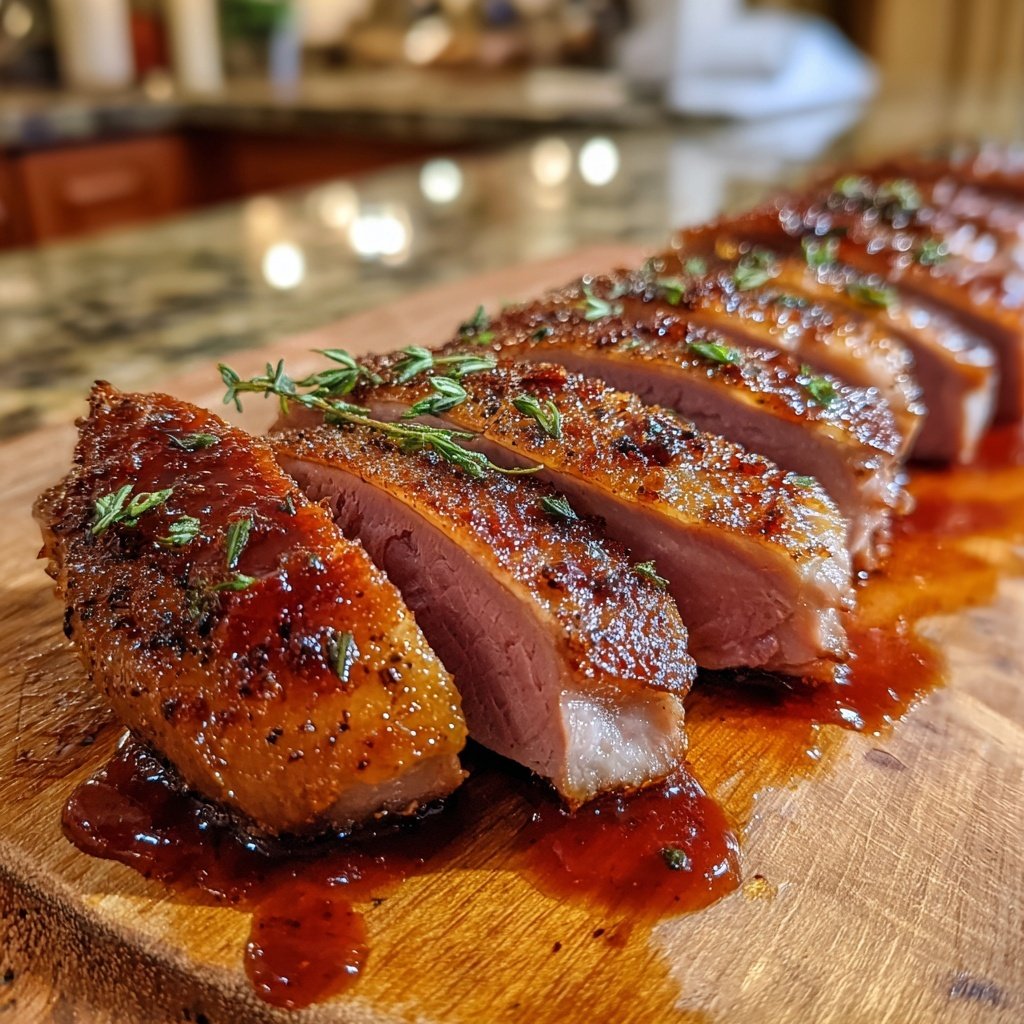
I absolutely love preparing Duck Breast with Fig and Red Wine for special occasions. The combination of succulent duck with the sweet, rich flavor of figs and a deep red wine sauce truly elevates any meal. The process may seem daunting at first, but after a little practice, it becomes a rewarding and impressive dish to serve. The crispy skin and tender meat are complemented perfectly by the fruity sauce, making every bite an exquisite experience. Let's dive into this delectable recipe that is sure to impress your guests!
When I first tried making Duck Breast with Fig and Red Wine, I was pleasantly surprised at how simple yet sophisticated the dish turned out. I remember experimenting with different cooking times and techniques until I discovered that scoring the skin helps render out the fat and achieve that perfect crispy texture. Each time I make it, I'm reminded of how the sweet figs pair wonderfully with the duck’s richness, offering a balance that keeps everyone asking for seconds.
This dish is not just about the cooking; it's about creating an experience. I love pairing it with creamy mashed potatoes or a light salad. The secret to emphasizing the flavors is to let the sauce reduce for a few minutes longer. The result is a glossy, velvety sauce that ties everything together beautifully. Trust me; this recipe will become a staple in your culinary repertoire!
Why You'll Love This Recipe
- Rich, succulent duck paired with a fruity sauce.
- The perfect balance of sweet and savory in every bite.
- Impressive enough for entertaining yet simple to prepare.
Perfecting the Duck Breast
To achieve the perfect duck breast, scoring the skin is vital. This technique allows the fat to render properly, leading to a wonderfully crispy skin. When scoring, make shallow cuts in a crosshatch pattern, ensuring not to cut too deep into the meat. This will help the fat escape while cooking and result in a beautiful golden appearance. If you find the skin isn't crisping up, it likely means the heat was too high or the pan was too crowded.
Once the duck breasts are in the skillet, maintain medium heat. Cooking them skin-side down in a cold skillet allows the fat to render slowly, which contributes to a crispy skin without burning. Monitor them carefully; you should see the skin start turning a lovely golden color around the 6-minute mark. If it begins to darken too quickly, lower the heat slightly to avoid unwanted bitterness.
Crafting the Fig and Red Wine Sauce
The sauce is where the magic happens, transforming this dish into something truly special. When adding the figs and red wine to the pan, be sure to scrape up any brown bits left from the duck. These bits add depth and richness to the sauce. The balance of sweet figs and robust red wine creates a luxurious, glossy sauce that beautifully complements the savory duck.
As the sauce reduces, keep an eye on its consistency. You're aiming for a glaze that can coat the back of a spoon. If it becomes too thick, simply add a splash of water or additional wine to loosen it. The addition of honey contributes a perfect amount of sweetness that counterbalances the acidity of the vinegar, ensuring that every bite is a harmonious blend of flavors.
Ingredients
For the Duck Breast and Sauce
- 4 duck breasts
- 1 cup figs, halved
- 1 cup red wine
- 1 tablespoon honey
- 1 tablespoon balsamic vinegar
- Salt and pepper to taste
- Fresh thyme for garnish
Instructions
Prepare the Duck Breasts
Score the skin of the duck breasts with a sharp knife, being careful not to cut into the meat. Season both sides with salt and pepper.
Cook the Duck
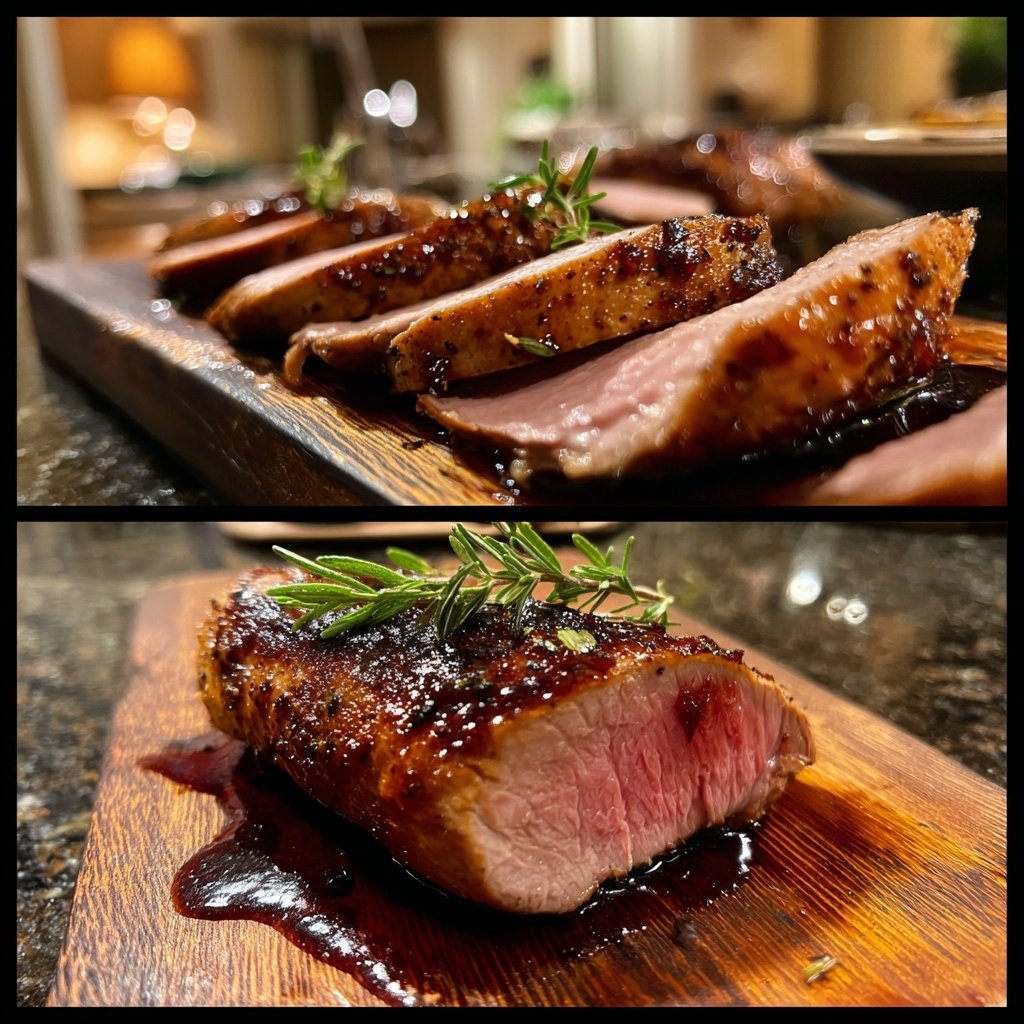
In a cold skillet, place the duck breasts skin-side down. Turn the heat to medium and cook for about 6-8 minutes until the skin is crispy and golden. Flip the breasts and cook for another 4-5 minutes for medium rare.
Make the Sauce
Remove the duck from the skillet and let it rest. In the same skillet, add the figs, red wine, honey, and balsamic vinegar. Cook over medium-high heat until the sauce reduces and thickens, about 8-10 minutes.
Serve
Slice the duck breast, and serve it drizzled with the fig and red wine sauce. Garnish with fresh thyme.
Pro Tips
- For extra flavor, you can add a splash of orange juice to the sauce during the reduction for a citrusy twist.
Serving Suggestions
This Duck Breast with Fig and Red Wine pairs beautifully with sides that can soak up the rich sauce. Consider serving it over a bed of creamy polenta or alongside silky mashed potatoes for a comforting meal. Additionally, roasted seasonal vegetables, such as Brussels sprouts or carrots, add color and a sweet crunch that complements the dish flawlessly.
For an added touch, try garnishing with a sprinkle of chopped pistachios or walnuts to introduce a textural contrast. The addition of fresh herbs, like rosemary or parsley, can brighten the plate visually and flavor-wise, creating an inviting dining experience that feels both refined and homey.
Storage and Reheating Tips
If you're fortunate enough to have leftovers, storing the duck breast properly ensures it stays delicious for the next day. Place any uneaten duck in an airtight container in the refrigerator for up to 3 days. When reheating, avoid the microwave as it can make the skin soggy. Instead, gently warm them in a skillet over low heat, skin-side down, until heated through, which will help maintain the crispiness.
The fig and red wine sauce can also be stored separately in a jar in the fridge for up to a week. To reheat, simply place it in a saucepan over low heat, adding a splash of wine or water if it thickens too much. This sauce can also elevate grilled meats or roasted vegetables, making it a versatile component to keep on hand.
Questions About Recipes
→ Can I make this dish ahead of time?
While it's best served fresh, you can prepare the sauce ahead of time and warm it before serving.
→ What side dishes pair well with duck breast?
Mashed potatoes, roasted vegetables, or a light salad go great with duck breast.
→ How do I know when the duck is cooked properly?
Use a meat thermometer; the internal temperature should reach about 135°F for medium rare.
→ Can I use frozen duck breasts?
Yes, just thaw them completely in the refrigerator before cooking.
Duck Breast with Fig and Red Wine
Created by: Riley Dawson
Recipe Type: Cultural Kitchen Creations
Skill Level: Intermediate
Final Quantity: 4 servings
What You'll Need
For the Duck Breast and Sauce
- 4 duck breasts
- 1 cup figs, halved
- 1 cup red wine
- 1 tablespoon honey
- 1 tablespoon balsamic vinegar
- Salt and pepper to taste
- Fresh thyme for garnish
How-To Steps
Score the skin of the duck breasts with a sharp knife, being careful not to cut into the meat. Season both sides with salt and pepper.
In a cold skillet, place the duck breasts skin-side down. Turn the heat to medium and cook for about 6-8 minutes until the skin is crispy and golden. Flip the breasts and cook for another 4-5 minutes for medium rare.
Remove the duck from the skillet and let it rest. In the same skillet, add the figs, red wine, honey, and balsamic vinegar. Cook over medium-high heat until the sauce reduces and thickens, about 8-10 minutes.
Slice the duck breast, and serve it drizzled with the fig and red wine sauce. Garnish with fresh thyme.
Extra Tips
- For extra flavor, you can add a splash of orange juice to the sauce during the reduction for a citrusy twist.
Nutritional Breakdown (Per Serving)
- Calories: 420 kcal
- Total Fat: 34g
- Saturated Fat: 10g
- Cholesterol: 110mg
- Sodium: 75mg
- Total Carbohydrates: 12g
- Dietary Fiber: 1g
- Sugars: 8g
- Protein: 30g