Korean Soups and Stews
Highlighted under: Cultural Kitchen Creations
Discover the comforting and hearty world of Korean soups and stews, perfect for warming your soul.
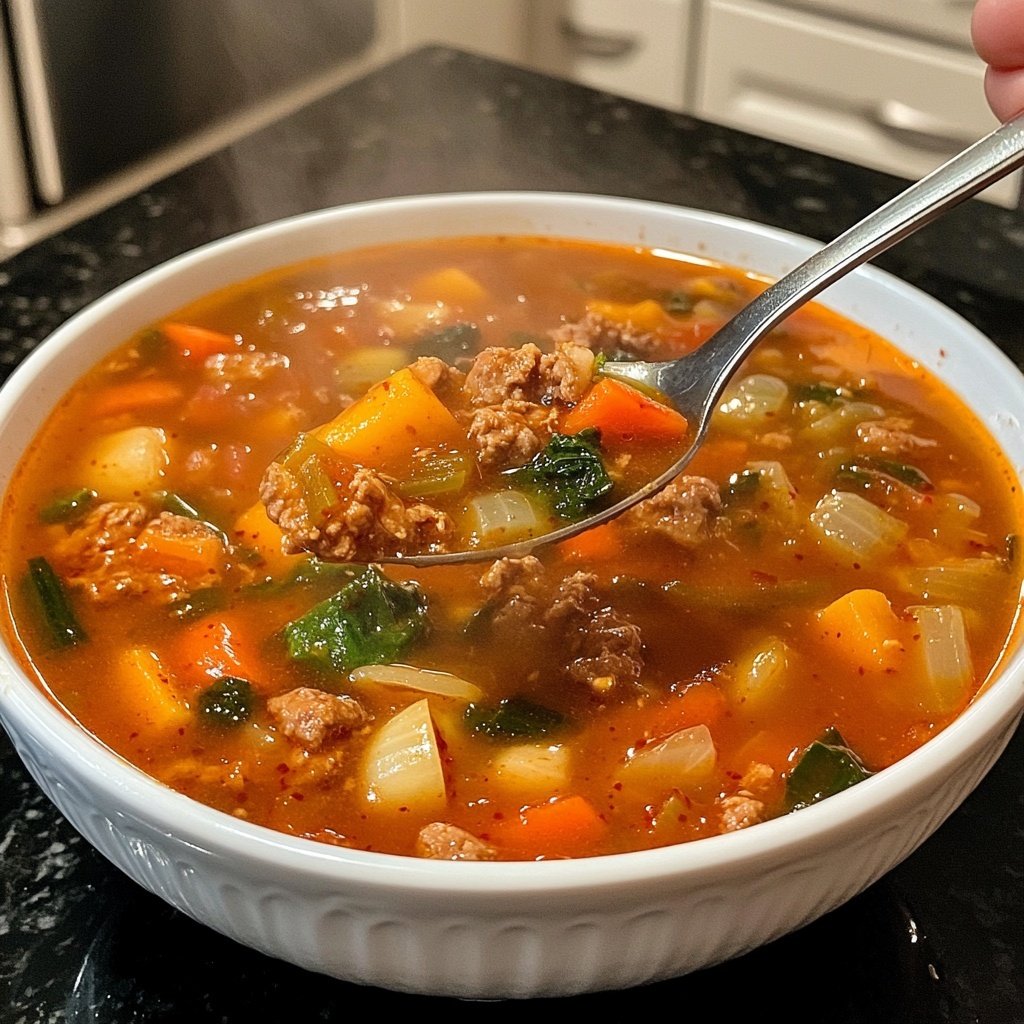
Korean soups and stews are a staple in Korean cuisine, offering a delightful mix of flavors and textures. Whether you're craving something spicy, savory, or hearty, these dishes provide comfort and satisfaction.
Why You'll Love This Recipe
- Rich, bold flavors that warm the heart
- Customizable with your favorite ingredients
- Perfect for sharing with family and friends
The Heart of Korean Cuisine
Korean soups and stews, known as 'jjigae' and 'guk', are staples in Korean households. They offer not only warmth but also a depth of flavor that reflects the rich culinary traditions of Korea. Each dish tells a story, often passed down through generations, making them a cherished part of family gatherings. With their bold spices and fresh ingredients, these soups and stews are a delightful way to experience Korean culture right from your kitchen.
One of the most appealing aspects of Korean soups is their versatility. You can easily adapt the ingredients to suit your taste or dietary preferences. Whether you prefer a hearty meat-based stew or a light vegetarian soup, the base and flavor profile provide a canvas for creativity. This flexibility ensures that everyone at the table feels included, making it an excellent choice for family meals or gatherings with friends.
Nutritional Benefits
Korean soups and stews are not only delicious but also packed with nutrients. The use of fresh vegetables, tofu, and broth provides a balance of vitamins, minerals, and proteins. Ingredients like spinach and carrots contribute essential nutrients, while tofu offers a plant-based protein source, making this dish suitable for vegetarians and vegans alike. With the right balance of ingredients, these soups can be a wholesome addition to your diet.
Moreover, the inclusion of spices such as ginger and garlic not only enhances the flavor but also adds health benefits. Ginger is known for its anti-inflammatory properties, while garlic can boost the immune system. Enjoying a bowl of Korean soup is not just a treat for your taste buds; it's also a comforting way to nourish your body and soul.
Perfect Pairings
Korean soups and stews are best enjoyed with a side of steamed rice or noodles. The rice helps to absorb the rich flavors of the broth, making each bite a delightful experience. You can also serve kimchi as a side dish, which adds a tangy crunch that complements the warmth of the soup. This combination creates a satisfying meal that balances flavors and textures beautifully.
For an extra touch, consider adding a drizzle of sesame oil or a sprinkle of sesame seeds on top of your finished soup. These garnishes not only enhance the presentation but also add an extra layer of flavor. Whether you're enjoying a quiet night in or hosting a dinner party, these pairings will elevate your Korean soup experience to new heights.
Ingredients
For Korean Soup Base
- 1 tablespoon sesame oil
- 1 onion, sliced
- 3 cloves garlic, minced
- 1 inch ginger, grated
- 4 cups vegetable broth
- 2 tablespoons soy sauce
- 1 tablespoon gochugaru (Korean red pepper flakes)
For Add-ins
- 1 cup tofu, cubed
- 1 cup mushrooms, sliced
- 1 cup spinach
- 1 carrot, julienned
- 2 green onions, chopped
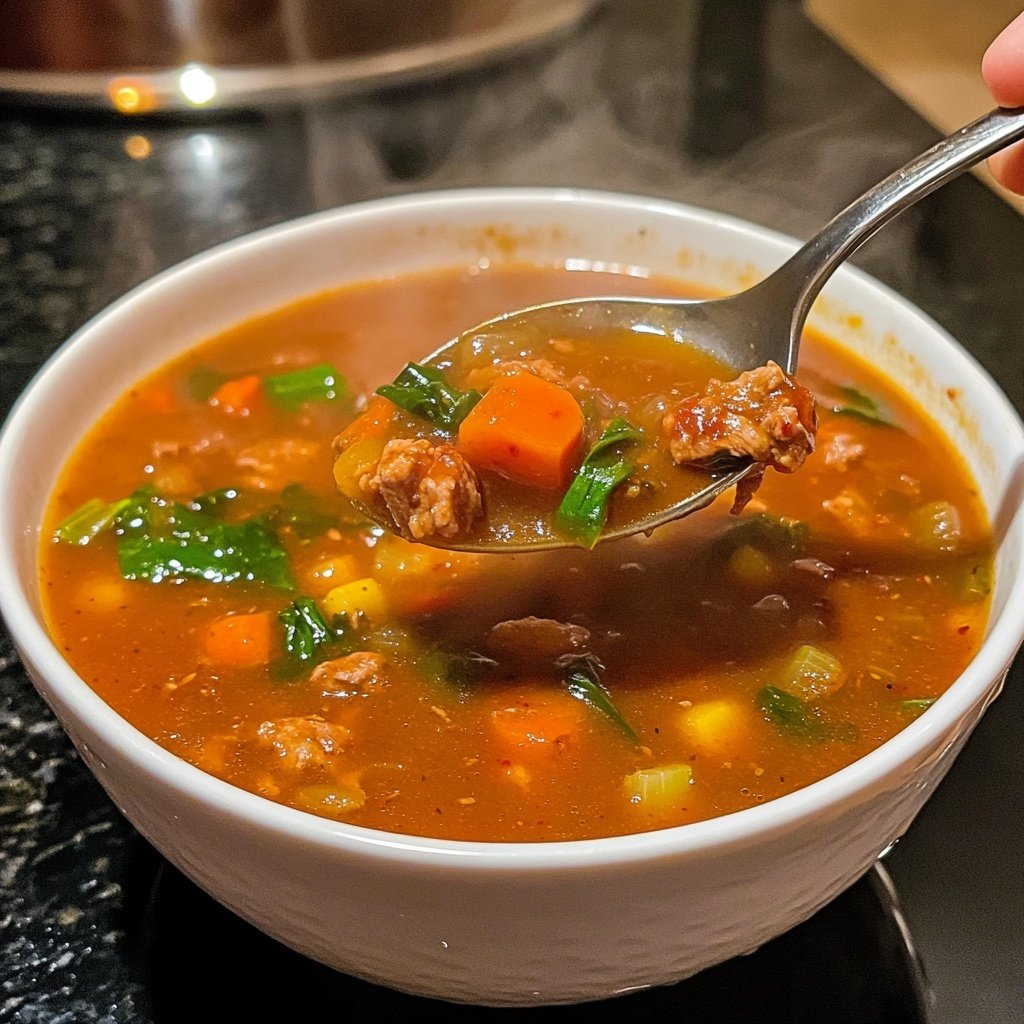
Gather all ingredients before you start cooking to ensure a smooth process.
Steps
Prepare the Base
In a large pot, heat the sesame oil over medium heat. Add the sliced onion and sauté until translucent. Stir in the minced garlic and grated ginger, cooking for an additional minute.
Add the Broth
Pour in the vegetable broth and soy sauce, then add the gochugaru. Bring the mixture to a boil, then reduce heat to a simmer.
Incorporate Add-ins
Add the tofu, mushrooms, spinach, and carrot to the pot. Simmer for about 10-15 minutes, until the vegetables are tender.
Serve
Garnish with chopped green onions and serve hot with rice or noodles.
Enjoy your delicious Korean soup with family and friends!
Pro Tips
- For extra flavor, add a splash of fish sauce or a sprinkle of sesame seeds before serving.
Customization Ideas
One of the greatest joys of making Korean soups and stews is the ability to customize them to your liking. Feel free to experiment with different proteins, such as chicken, beef, or seafood, to create a stew that suits your palate. Likewise, you can switch up the vegetables based on what’s in season or what you have on hand. The beauty of this dish lies in its adaptability, making it a perfect choice for using up leftovers.
For those who enjoy a spicier kick, you can increase the amount of gochugaru or add fresh chili peppers to the broth. Conversely, if you prefer a milder flavor, simply reduce the spice or omit it altogether. This flexibility means that every cook can create their own signature version of a Korean soup, ensuring that it's always a personal favorite.
Storage and Reheating
Leftover Korean soup can be stored in an airtight container in the refrigerator for up to three days. The flavors often deepen and improve after a day, making it an excellent dish for meal prep. If you find yourself with more soup than you can eat, consider freezing individual portions. Simply allow the soup to cool completely before transferring it to freezer-safe containers. It can be frozen for up to three months, providing a comforting meal ready to be enjoyed at a moment's notice.
When reheating, simply warm the soup on the stovetop or in the microwave, adding a splash of water or broth if it has thickened. This not only helps restore the original consistency but also ensures that the soup remains deliciously flavorful. With these simple storage tips, you can enjoy the comforting taste of Korean soups and stews anytime.
Questions About Recipes
→ Can I use meat in this recipe?
Yes, you can add sliced beef, chicken, or pork for a heartier stew.
→ Is it possible to make this soup vegetarian?
Absolutely! Use vegetable broth and tofu as the protein source.
→ What can I substitute for gochugaru?
If you don't have gochugaru, you can use a combination of chili powder and paprika for a similar taste.
→ How do I store leftovers?
Store in an airtight container in the refrigerator for up to 3 days. Reheat before serving.
Korean Soups and Stews
Created by: Riley Dawson
Recipe Type: Cultural Kitchen Creations
Skill Level: Intermediate
Final Quantity: 4 servings
What You'll Need
For Korean Soup Base
- 1 tablespoon sesame oil
- 1 onion, sliced
- 3 cloves garlic, minced
- 1 inch ginger, grated
- 4 cups vegetable broth
- 2 tablespoons soy sauce
- 1 tablespoon gochugaru (Korean red pepper flakes)
For Add-ins
- 1 cup tofu, cubed
- 1 cup mushrooms, sliced
- 1 cup spinach
- 1 carrot, julienned
- 2 green onions, chopped
How-To Steps
In a large pot, heat the sesame oil over medium heat. Add the sliced onion and sauté until translucent. Stir in the minced garlic and grated ginger, cooking for an additional minute.
Pour in the vegetable broth and soy sauce, then add the gochugaru. Bring the mixture to a boil, then reduce heat to a simmer.
Add the tofu, mushrooms, spinach, and carrot to the pot. Simmer for about 10-15 minutes, until the vegetables are tender.
Garnish with chopped green onions and serve hot with rice or noodles.
Extra Tips
- For extra flavor, add a splash of fish sauce or a sprinkle of sesame seeds before serving.
Nutritional Breakdown (Per Serving)
- Calories: 350 kcal
- Total Fat: 15g
- Saturated Fat: 2g
- Cholesterol: 0mg
- Sodium: 800mg
- Total Carbohydrates: 40g
- Dietary Fiber: 5g
- Sugars: 5g
- Protein: 12g