Baking & Desserts Classic Vanilla Butter Cake
Highlighted under: Oven-Crafted Sweets
I’ve always loved the comforting aroma of a freshly baked cake wafting through the kitchen. There’s something incredibly satisfying about creating a classic vanilla butter cake from scratch. The process of creaming the butter and sugar together, adding the eggs one by one, and watching the batter transform into a smooth, creamy mixture is just delightful. This cake is versatile enough to serve at any occasion, whether as a simple dessert for a family dinner or beautifully frosted for a celebration. Let’s dive into this deliciously rich yet simple recipe.
Creating a classic vanilla butter cake has been a cherished tradition in my family for years. I remember the first time I made it on my own; I couldn't believe how straightforward the steps were. The key is using quality ingredients, especially real butter and pure vanilla extract, which truly elevate the flavor.
One tip I’ve learned over the years is to ensure your butter is at room temperature before you start. This allows for a better emulsion when you cream the butter and sugar together, resulting in a lighter, fluffier texture. Trust me, it makes a real difference!
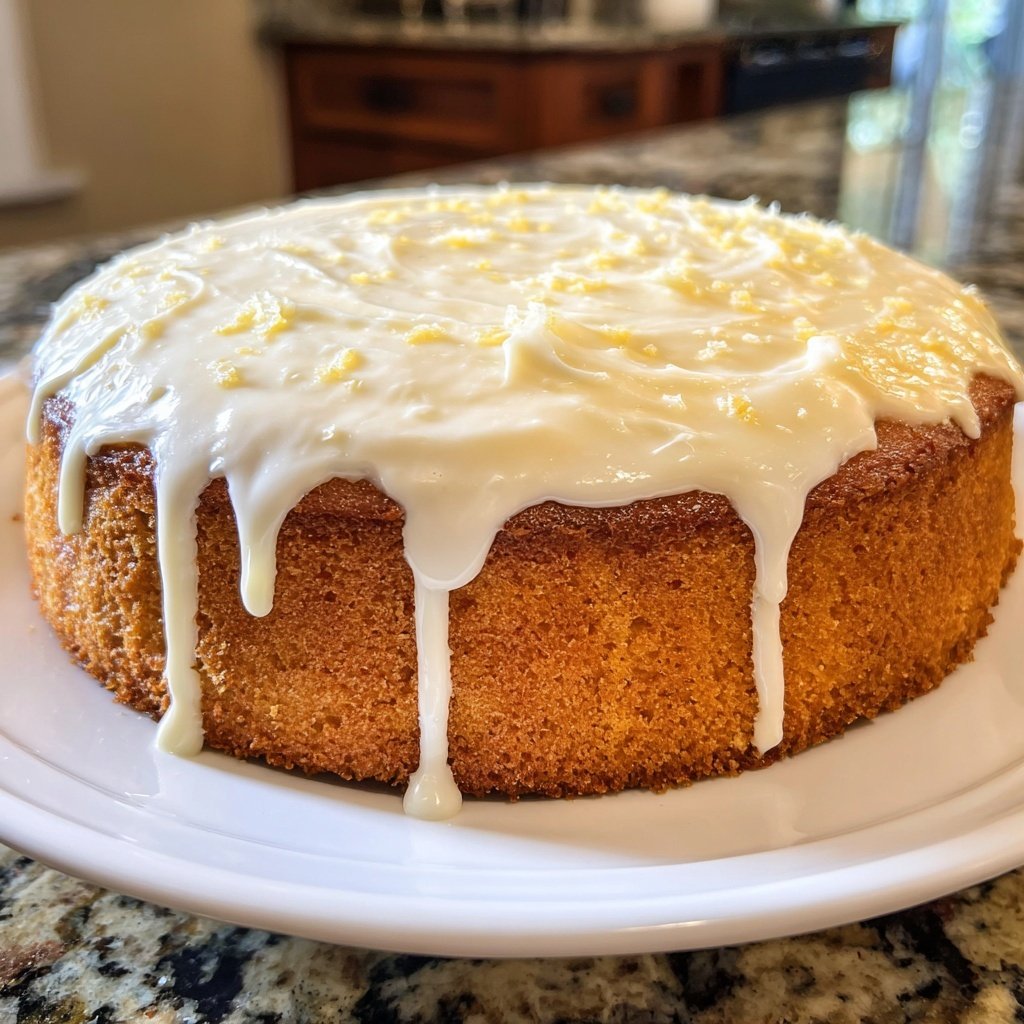
Why You Will Love This Recipe
- Delightfully fluffy and soft texture that melts in your mouth
- Perfectly balanced sweetness with a rich vanilla flavor
- Versatile base that pairs well with a variety of frostings and fillings
Understanding the Ingredients
The ingredients in this classic vanilla butter cake are simple, yet each plays a crucial role in creating its delightful texture and flavor. Unsalted butter, at room temperature, helps give the cake its rich, buttery flavor and ensures a fluffy texture when creamed with sugar. I recommend using high-quality pure vanilla extract for the best aroma and taste; artificial flavorings just won't deliver that full, rich vanilla profile you want in this cake.
Granulated sugar not only sweetens the cake but also contributes to the creaming process, allowing air to be incorporated into the batter. This is key for achieving that light and fluffy texture. If you're looking to reduce added sugar, consider substituting half of the granulated sugar with unsweetened applesauce. This substitution will yield a moister cake while also cutting down on refined sugars.
Baking Tips for Success
To ensure your butter cake rises beautifully, make sure to measure your flour correctly. Spoon the flour into your measuring cup and level it off with a knife to avoid using too much, which can lead to a dense cake. Additionally, letting your eggs and milk come to room temperature before mixing can create a more uniform batter, allowing for better aeration during the baking process.
Keep an eye on your cake while it bakes. Since oven temperatures can vary, start checking for doneness at the 25-minute mark. Insert a toothpick into the center; if it comes out clean or with a few moist crumbs, the cake is done. Overbaking can lead to a dry texture, so it's best to err on the side of caution.
Serving and Storing
Once your cake has cooled completely, it can be served plain for a light dessert or topped with your choice of frosting. A simple buttercream or cream cheese frosting pairs beautifully with the vanilla flavor, while a dusting of powdered sugar adds an elegant touch for a less sweet option. If you're feeling adventurous, layer the cake with fresh berries or pastry cream between the layers for an impressive presentation.
The cake can be stored at room temperature for up to three days when wrapped tightly, or it can be frozen for longer storage. For freezing, slice the cooled cake and wrap each piece individually in plastic wrap, then place them in an airtight container. This allows you to defrost only what you need without compromising the entire cake's freshness.
Ingredients
Gather the following ingredients to make your classic vanilla butter cake:
Ingredients
- 2 cups all-purpose flour
- 1 ½ cups granulated sugar
- 1 cup unsalted butter, softened
- 4 large eggs
- 1 cup whole milk
- 2 ½ teaspoons baking powder
- 1 teaspoon vanilla extract
- ½ teaspoon salt
These simple ingredients come together to create a classic cake that's great for any occasion.
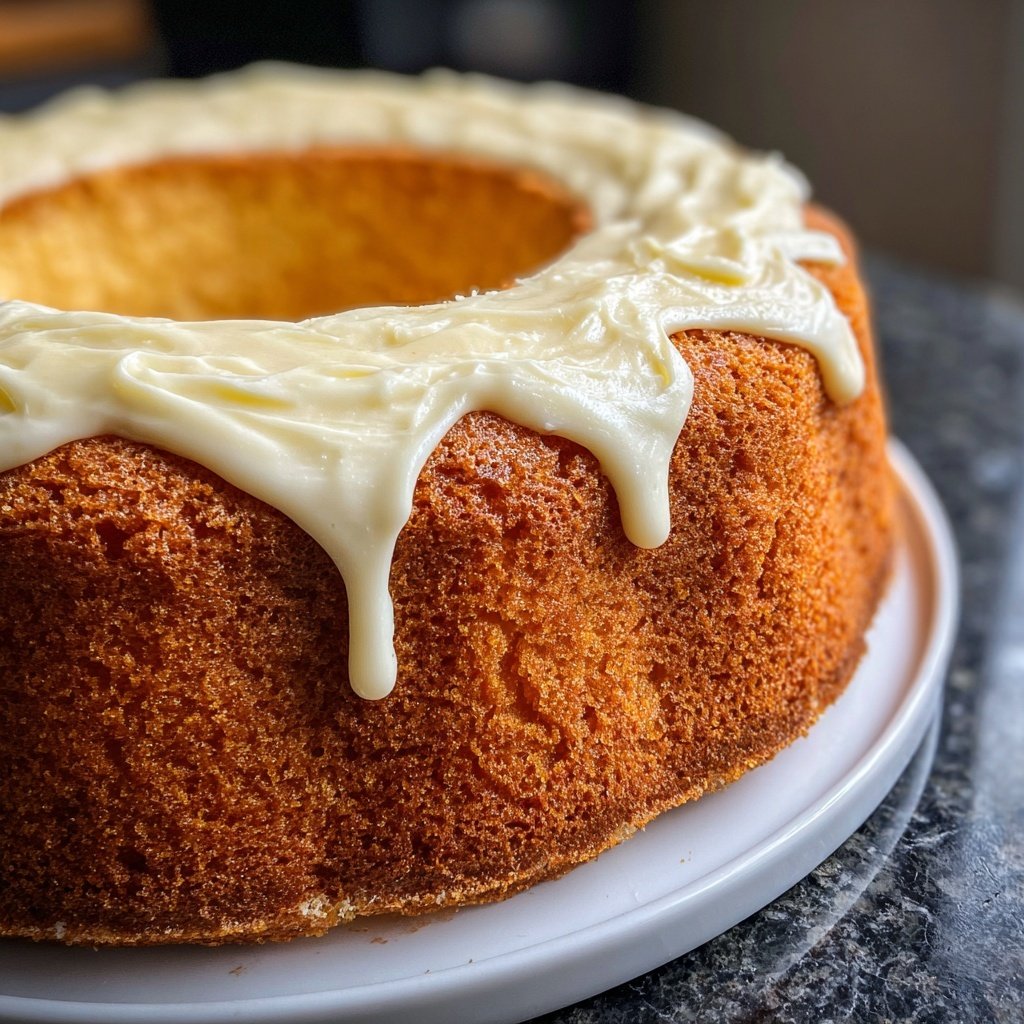
Instructions
Follow these steps to bake your classic vanilla butter cake:
Preheat the oven
Preheat your oven to 350°F (175°C) and grease a 9-inch round cake pan.
Cream the butter and sugar
In a large mixing bowl, cream together the softened butter and granulated sugar until light and fluffy, about 5 minutes.
Add the eggs
Add the eggs one at a time, beating well after each addition to ensure they’re fully incorporated.
Combine dry ingredients
In a separate bowl, whisk together the flour, baking powder, and salt. Gradually add this mixture to the wet ingredients, alternating with the milk, beginning and ending with the flour mixture.
Add vanilla
Stir in the vanilla extract until just combined.
Bake the cake
Pour the batter into the prepared cake pan and bake for 30 minutes, or until a toothpick inserted into the center comes out clean.
Cool and serve
Allow the cake to cool in the pan for 10 minutes before transferring it to a wire rack to cool completely. Serve plain or frosted as desired.
Enjoy your homemade classic vanilla butter cake!
Pro Tips
- For an extra delicate crumb, sift your flour before measuring. You can also enhance the flavor by adding a splash of almond extract to the batter.
Variations to Consider
This vanilla butter cake serves as a versatile base for various flavor experiments. For a chocolate twist, replace 1/2 cup of all-purpose flour with unsweetened cocoa powder, which adds richness without compromising the cake’s structure. Alternatively, infuse the batter with lemon or almond extract to suit your taste preferences; just adjust the quantity slightly to ensure the flavor isn’t overpowering.
If you're looking to accommodate dietary needs, consider making a gluten-free version of this cake. Substitute the all-purpose flour with a 1:1 gluten-free baking mix. To ensure success, check that the mix contains xanthan gum for structure and add a bit of extra baking powder to help with lift.
Troubleshooting Common Issues
If your cake domes in the middle, it may be due to an oven that runs too hot or overmixing the batter. To address this, invest in an oven thermometer to ensure accurate temperatures. Additionally, mix just until the flour is incorporated to maintain the cake's delicate crumb texture. If your cake sinks in the middle, it's usually because of underbaking or too much leavening agent; check your baking powder's freshness and adjust amounts accordingly.
Should you encounter a dry cake, it could be a result of overbaking or incorrect ingredient ratios. Always follow the recipe closely, and invest in good-quality ingredients to achieve the best results. If you need to rescue a dry cake, serve it with a drizzle of simple syrup or a fruit compote to bring back moisture.
Make-Ahead and Serving Suggestions
This vanilla butter cake is an excellent candidate for make-ahead baking. You can prepare the batter a day in advance and store it in the refrigerator for up to 24 hours. Just make sure to let it come to room temperature before baking. This allows the flavors to meld beautifully and makes for a straightforward assembly process when you're ready to bake.
For a delightful serving suggestion, consider turning this cake into a layered dessert. Slice the cake horizontally into three layers and fill each with whipped cream and seasonal fruits like strawberries or peaches. This not only adds visual flair but also enhances the eating experience with contrasting textures and flavors.
Questions About Recipes
→ Can I use margarine instead of butter?
While you can use margarine, the cake may not have the same rich flavor. It's best to use unsalted butter for optimal results.
→ How should I store the cake?
Store the cake in an airtight container at room temperature for up to 3 days or in the fridge for up to a week.
→ Can I freeze this cake?
Yes, you can freeze the cake for up to 3 months. Wrap it tightly in plastic wrap and aluminum foil before placing it in the freezer.
→ What can I serve with the cake?
This cake pairs beautifully with fresh berries, whipped cream, or your favorite frosting.
Baking & Desserts Classic Vanilla Butter Cake
Created by: Riley Dawson
Recipe Type: Oven-Crafted Sweets
Skill Level: Easy
Final Quantity: 8 servings
What You'll Need
Ingredients
- 2 cups all-purpose flour
- 1 ½ cups granulated sugar
- 1 cup unsalted butter, softened
- 4 large eggs
- 1 cup whole milk
- 2 ½ teaspoons baking powder
- 1 teaspoon vanilla extract
- ½ teaspoon salt
How-To Steps
Preheat your oven to 350°F (175°C) and grease a 9-inch round cake pan.
In a large mixing bowl, cream together the softened butter and granulated sugar until light and fluffy, about 5 minutes.
Add the eggs one at a time, beating well after each addition to ensure they’re fully incorporated.
In a separate bowl, whisk together the flour, baking powder, and salt. Gradually add this mixture to the wet ingredients, alternating with the milk, beginning and ending with the flour mixture.
Stir in the vanilla extract until just combined.
Pour the batter into the prepared cake pan and bake for 30 minutes, or until a toothpick inserted into the center comes out clean.
Allow the cake to cool in the pan for 10 minutes before transferring it to a wire rack to cool completely. Serve plain or frosted as desired.
Extra Tips
- For an extra delicate crumb, sift your flour before measuring. You can also enhance the flavor by adding a splash of almond extract to the batter.
Nutritional Breakdown (Per Serving)
- Calories: 380 kcal
- Total Fat: 26g
- Saturated Fat: 15g
- Cholesterol: 195mg
- Sodium: 85mg
- Total Carbohydrates: 32g
- Dietary Fiber: 3g
- Sugars: 24g
- Protein: 6g